
Your trusted resource for clinical professionals
Practical Phlebotomy Tips That Work in Healthcare Industry
We cover techniques, training, and career advice that actually matter. No fluff, no filler. Just clear, clinically accurate guidance for phlebotomists at every stage.

Why Trust Phlebotomy Tips
Written by Phlebotomists, for Phlebotomists

- 200+ Free Guides
- Expert-Reviewed Content
- Used by Phlebotomy Students Nationwide
Frequently Asked Questions
Answers to the questions we hear most from students, patients, and working phlebotomists.
Phlebotomy is the practice of drawing blood from a patient for laboratory testing, transfusions, donations, or research. A phlebotomist is a trained healthcare professional who performs venipuncture (needle insertion into a vein) and capillary punctures, ensures samples are correctly labelled and handled, and supports patient comfort throughout the process. Phlebotomists work in hospitals, clinics, blood banks, GP surgeries, and mobile health settings.
Most phlebotomy training programmes take between 4 weeks and 6 months to complete, depending on whether you choose a short certificate course or a more comprehensive diploma programme. After completing training, you’ll typically need to sit a certification exam (such as ASCP, NHA, or AMT in the US) and complete a required number of supervised venipuncture draws. Usually between 100 and 250 before becoming fully certified.
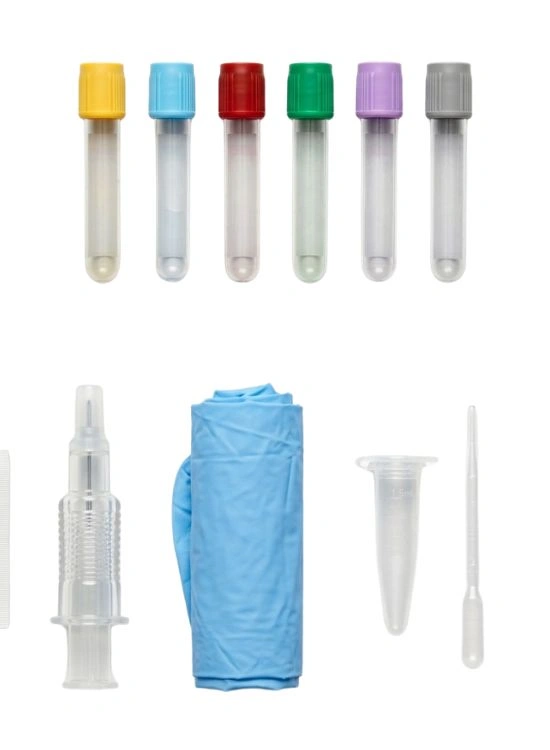
The order of draw is a standardised sequence for filling blood collection tubes to prevent cross-contamination between additives. The standard order is: Blood cultures → Sodium citrate (blue) → Serum/SST (gold or red) → Heparin (green) → EDTA (lavender/purple) → Fluoride oxalate (grey). Always follow your facility’s protocol and current CLSI guidelines, as minor variations can exist. A simple mnemonic to remember the order is: “Boys Should Stop Being Little Grumps” (Blood culture, Sodium citrate, Serum, Blue heparin, Lavender EDTA, Grey fluoride).
The most common phlebotomy errors include: probing excessively when a vein is missed (causes bruising and patient discomfort), skipping proper patient identification, applying the tourniquet for too long (over 1 minute can cause haemoconcentration), incorrect order of draw leading to sample contamination, mislabelling tubes, and failing to invert additive tubes the correct number of times after collection. Most errors are preventable
For difficult veins, try these proven techniques: warm the arm with a warm compress or warm towel for 3–5 minutes to dilate veins, ask the patient to open and close their fist several times, lower the arm below heart level to encourage blood pooling, apply the tourniquet 3–4 inches above the draw site, and palpate (feel) rather than just look many good veins are felt before they are seen. If a vein cannot be found in the antecubital fossa, the forearm and hand veins are acceptable alternatives following proper protocol.
Phlebotomy is a stable, in-demand healthcare career with a low barrier to entry compared to many clinical roles. It offers flexible working hours, opportunities in a wide range of healthcare settings, and a clear path to advancement into areas such as clinical laboratory science, nursing, or healthcare management. According to the US Bureau of Labor Statistics, employment for phlebotomists is projected to grow faster than average, driven by an ageing population and increased demand for diagnostic testing.
Patients can make their blood draw easier by: staying well hydrated in the days before (hydration plumps veins and makes them easier to access), wearing a short-sleeved or loose-fitting top, eating a light meal beforehand unless fasting has been specifically requested by their doctor, and letting the phlebotomist know about any previous difficult draws, fainting episodes, or needle anxiety. Relaxing the arm and taking slow, steady breaths during the draw also helps.
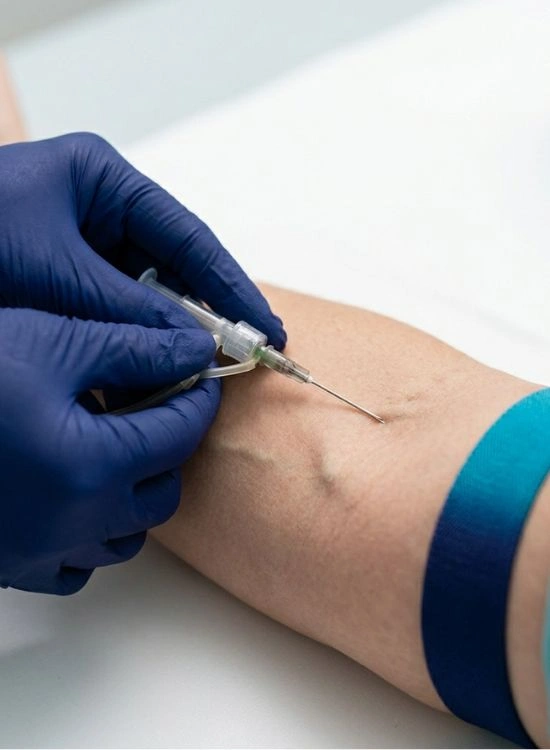
Venipuncture involves inserting a needle into a vein usually in the antecubital fossa (inner elbow) to collect a larger volume of blood into evacuated tubes. Capillary puncture (also called a fingerstick or heelstick) involves a small lancet puncture of the fingertip or infant’s heel to collect a few drops of blood, typically for point-of-care tests like blood glucose or haemoglobin screening. The method used depends on the volume of blood needed and the type of test ordered.